Our Leadership
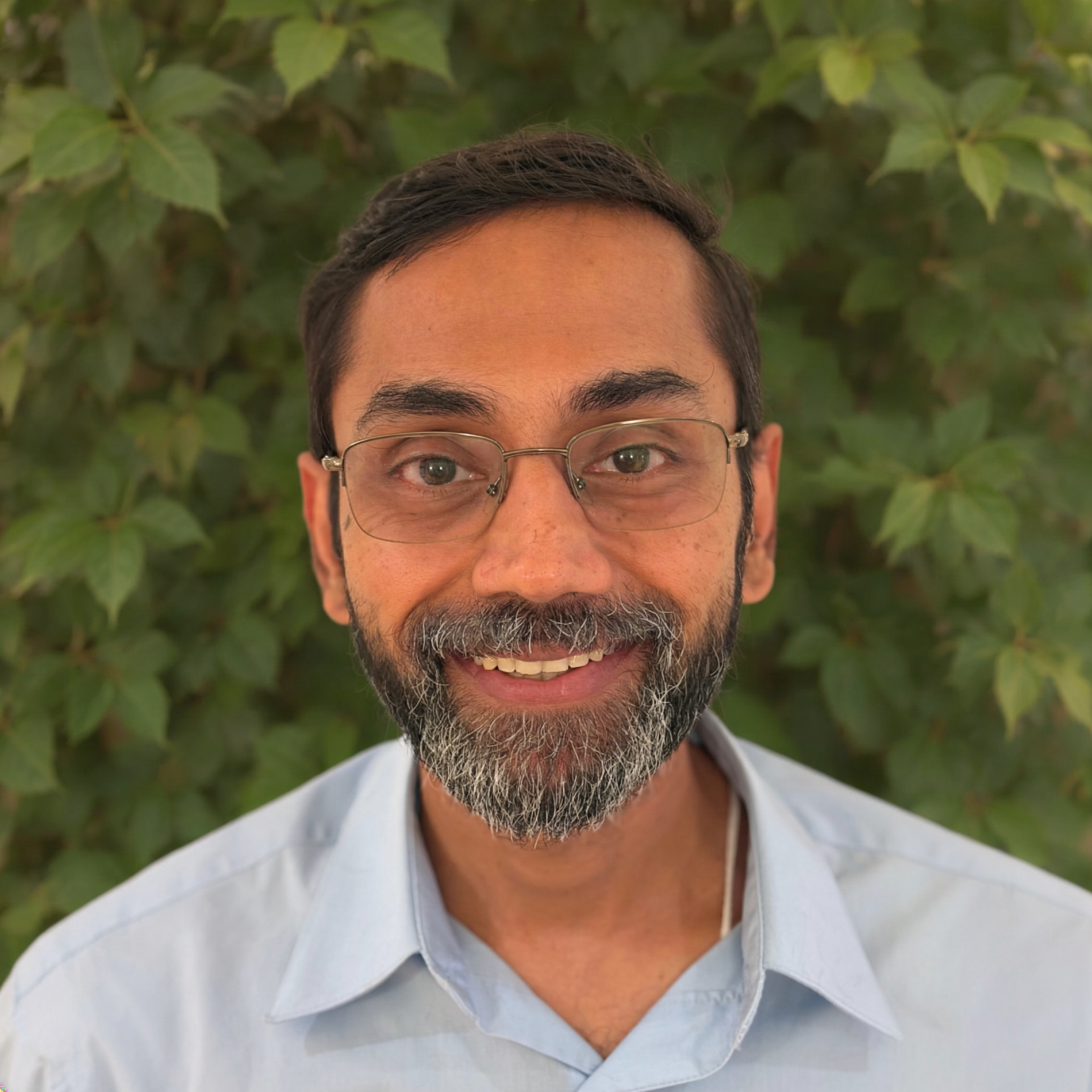
Professor Kartik Chandran
Professor Kartik Chandran is on the Earth and Environmental Engineering faculty at Columbia University’s Fu Foundation School of Engineering and Applied Science. He is renowned for his many innovations, repeatedly transforming how the world thinks about wastewater. By merging microbial ecology, molecular biology, and environmental engineering, Professor Chandran has pioneered the radical idea that sewage is not waste; rather it is a reservoir of recoverable energy, nutrients, and clean water.
His research deciphers the global nitrogen cycle and links it to carbon, water, food, and energy systems, yielding practical innovations deployed from New York City treatment plants to rural Ghana, where he re-engineered sanitation models for resource-efficient treatment, and nutrient recovery and converted sludge into biofuel. He founded Columbia’s first programs in biological wastewater treatment and biological nutrient removal.
Among many other awards, Professor Chandran’s intellectual impact earned him a MacArthur Foundation “Genius” Fellowship (2015), the NSF CAREER Award (2009), the Paul L. Busch Award (2010), and Fellowship in the Water Environment Federation, cementing his status as a global leader in sustainable and circular wastewater treatment, and sanitation.
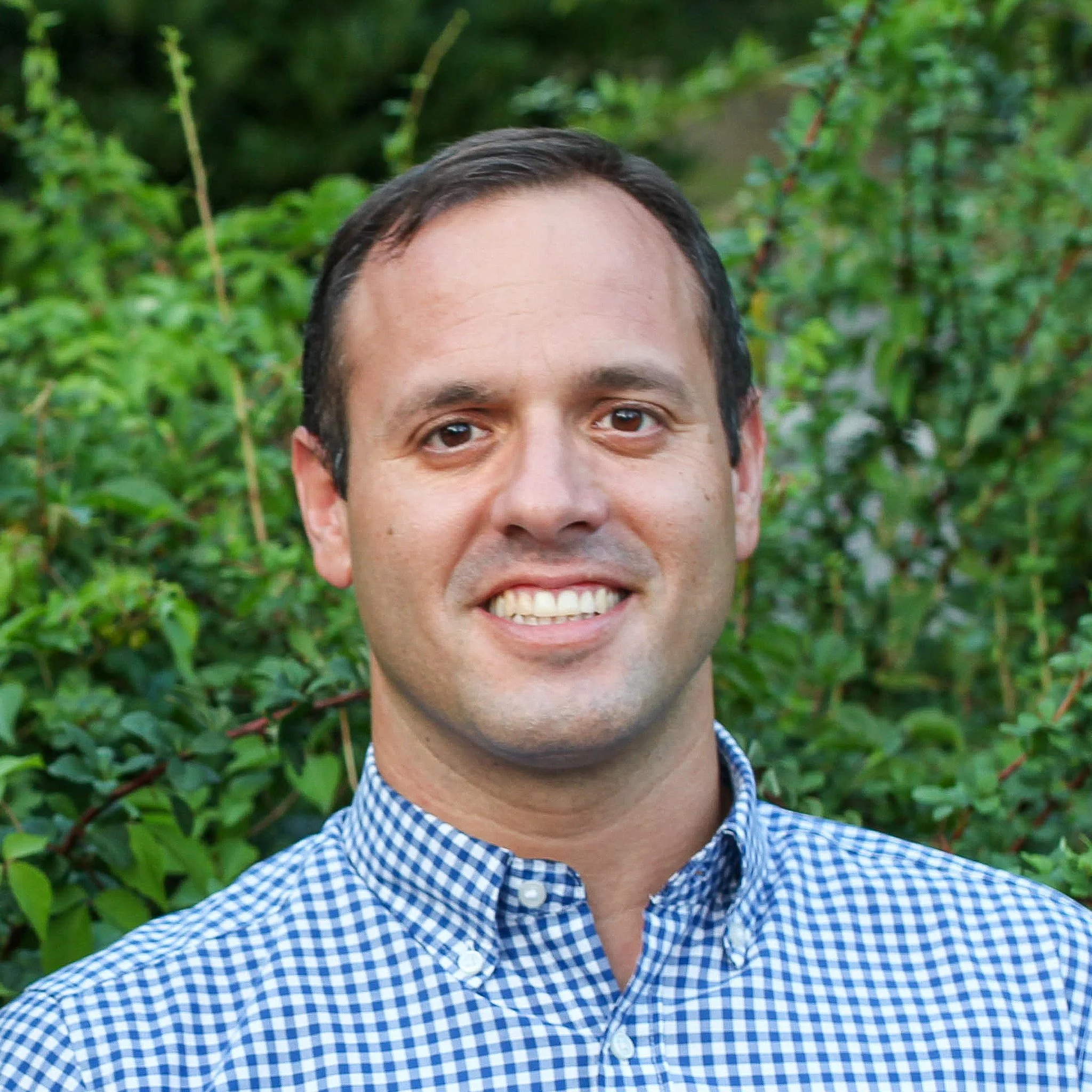
Dr. Liron Friedman
Dr. Liron Friedman is an environmental engineer and researcher specializing in water, wastewater, sanitation, and biogas technologies. His work utilizes sustainable engineering solutions for water reuse, wastewater treatment, decentralized sanitation systems, renewable energy recovery, and environmental process modeling. The common theme in all of his research, publications, and industry consulting is the integration and development of applicable standards from a systems perspective.
Deeply experienced as a researcher studying real-world applications, Dr. Friedman earned his Ph.D. in Environmental Engineering from Tel Aviv University, while also conducting doctoral research at Columbia University under the supervision of Professor Kartik Chandran. He routinely makes use of microbial processes in wastewater reuse systems, advanced nitrogen removal, biofiltration, soil aquifer treatment, and sustainable sanitation technologies. His postdoctoral research at Columbia University, funded by the Gates Foundation, focused on the implementation of decentralized household sanitation technologies into centralized facilities.
Throughout his career, Dr. Friedman has combined academic research with applied industrial innovation. He has served in senior technological and innovation roles in environmental technology companies, leading projects for wastewater treatment, anaerobic digestion, decentralized processes, and climate-oriented environmental solutions. As a practitioner, Dr. Friedman’s work has included development of a decentralized biogas system for an environmental startup, water treatment analysis for a global desalination company, and utilization of cow manure as a source of energy for a dairy company as well as process modeling and technical due diligence to maximize resource recovery potential in a variety of industries.
Dr. Friedman’s publications have appeared in leading peer-reviewed journals including Nature Water and Water Research, spanning microbial process engineering, anaerobic digestion, water reuse, and systems perspectives for circular resource recovery.
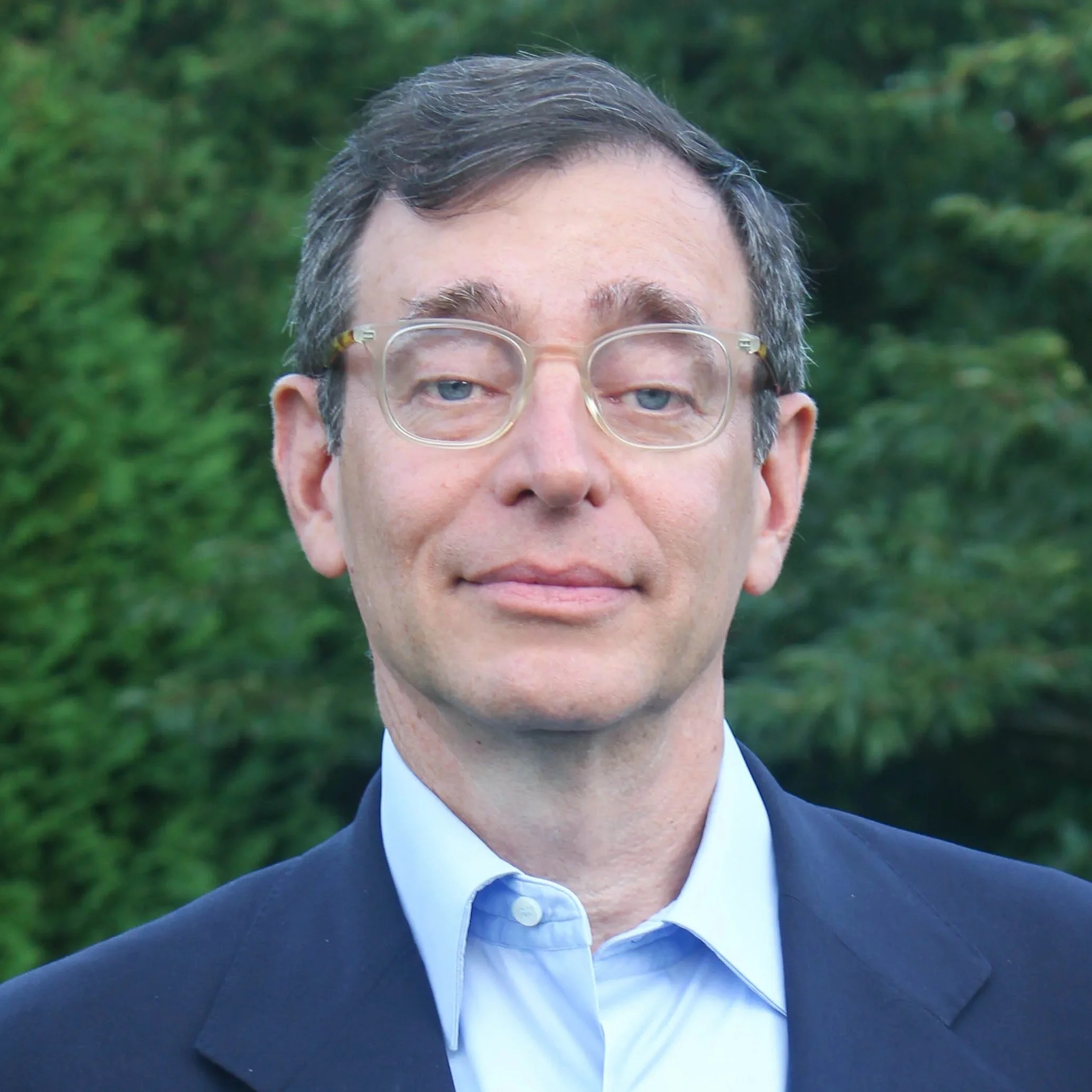
Seth M. Siegel
Seth M. Siegel is a serial entrepreneur, businessman, lawyer, and author whose work in water scarcity and drinking water quality has had a global impact.
Among his other writing, he is the author of the New York Times bestseller Let There Be Water: Israel’s Solution for a Water-Starved World, which has been translated into 24 languages and has been on sale in more than 50 countries. He is also the author of Troubled Water: What’s Wrong with What We Drink, a searing analysis of the bipartisan failure of the US government to assure clean, safe and secure drinking water.
Mr. Siegel was the Daniel M. Soref Senior Fellow at the University of Wisconsin’s Center for Water Policy. He is also a member of the Council on Foreign Relations.
As a public policy thought leader, Mr. Siegel has been invited to meet heads of state and to address sessions of national legislatures on four continents to discuss water reuse. He has also spoken at Davos, the World Bank, the United Nations, at the OECD, and on dozens of university campuses. His essays on water and other issues have appeared in The New York Times, The Wall Street Journal, the Los Angeles Times, Washington Post, and in leading publications in Europe and Asia.
Contact Us
We would enjoy learning about projects in our area of focus and checking to see if we can add value to your organization. Please contact us via our form and we’ll get back to you as soon as possible.